
Toronto · Purpose-built rental housing
Toronto's rental renaissance, one neighbourhood at a time.
Plex Properties develops family-sized rental housing on established residential streets: the quality and scale of home the city stopped building generations ago.
$40M+
Portfolio estimated completion value
55,000+
Square feet of density
50+
Residential units
We develop to own, and we develop to last.
Plex Properties is a Toronto-based developer focused on small residential buildings, four to six homes at a time, on the established streets where people already want to live.
We manage every stage of a project, from finding the land to welcoming residents, and we keep what we develop alongside our partners. Because we're in it for the long haul, every decision about the street, the layout, and the materials is made for decades of ownership, not a sale date.
About the firmThe best homes to live in make the best buildings to own.
Family-sized homes
Spacious two and three-bedroom rental homes with real outdoor space, designed for the families the condominium market has left behind.
The right streets
Established neighbourhoods near transit, schools, and parks: places with deep, enduring demand and no new supply in decades.
Built to last
We develop as long-term owners, not sellers. Thoughtful design focused on liveability. Reliable materials and systems are chosen for the decades we and our partners will look after the building.
The missing middle: larger than a house, smaller than a tower.
For most of a century Toronto allowed only the two ends of this range. We operate in the middle: buildings that belong on their street and offer what a high-rise can't.
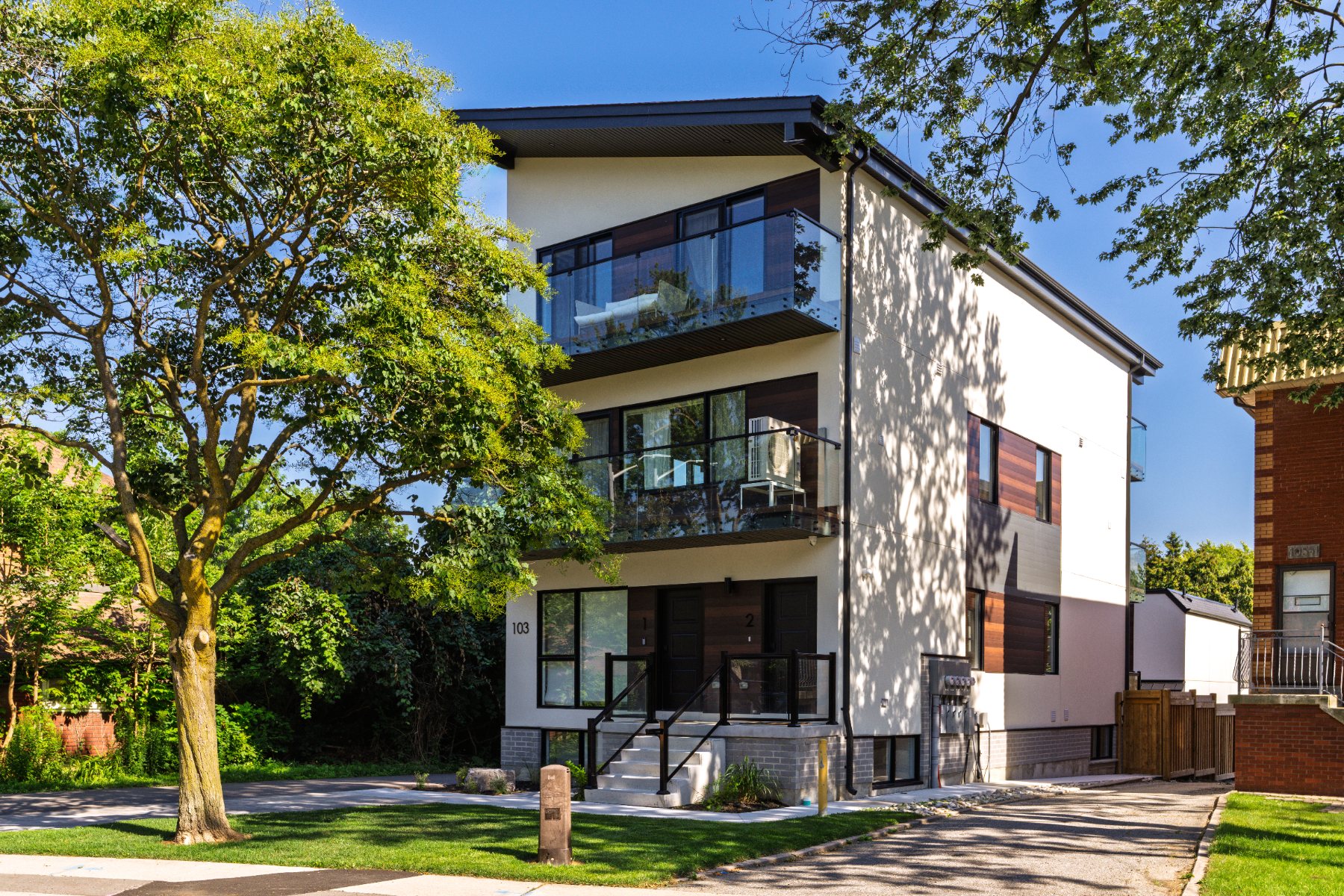
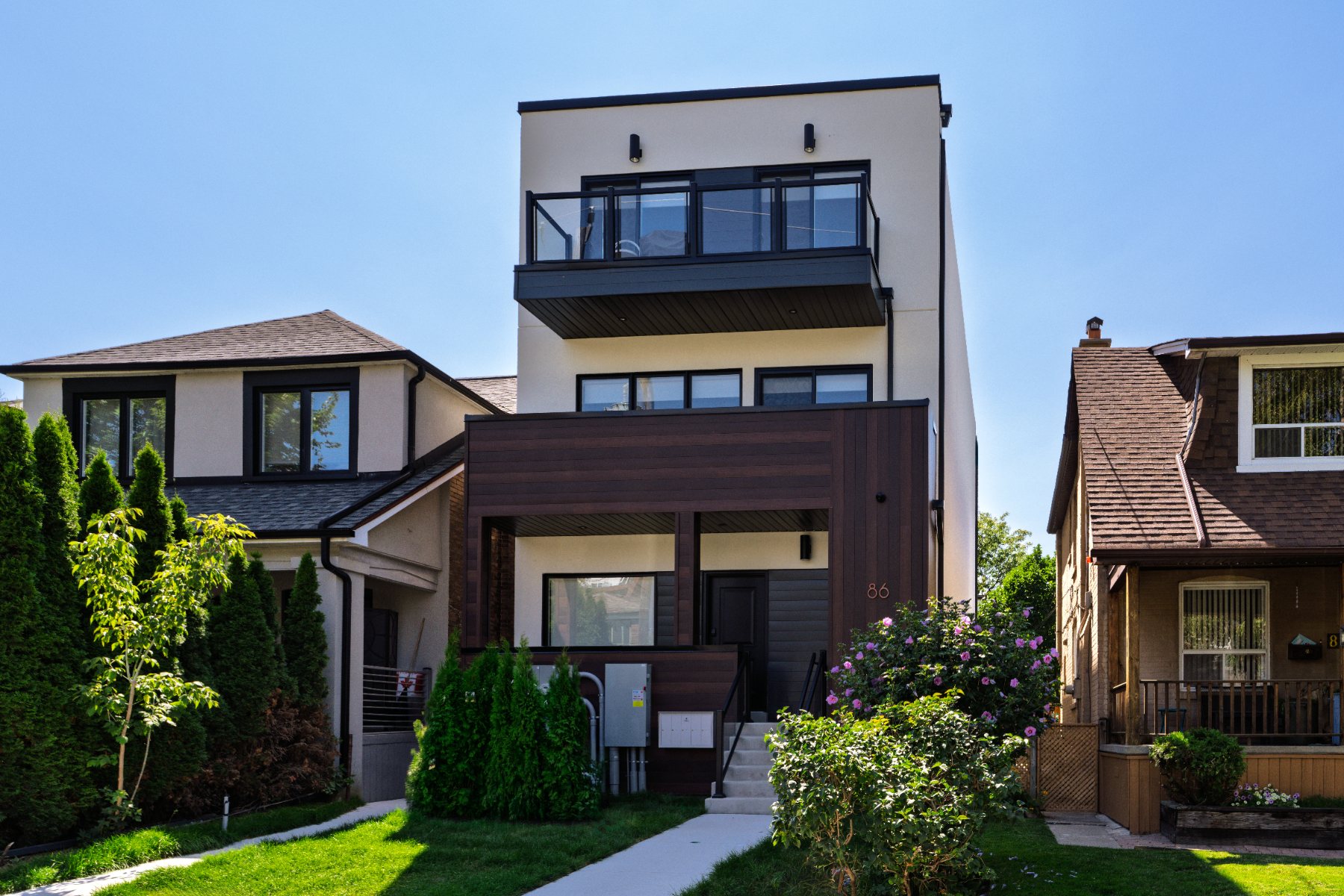
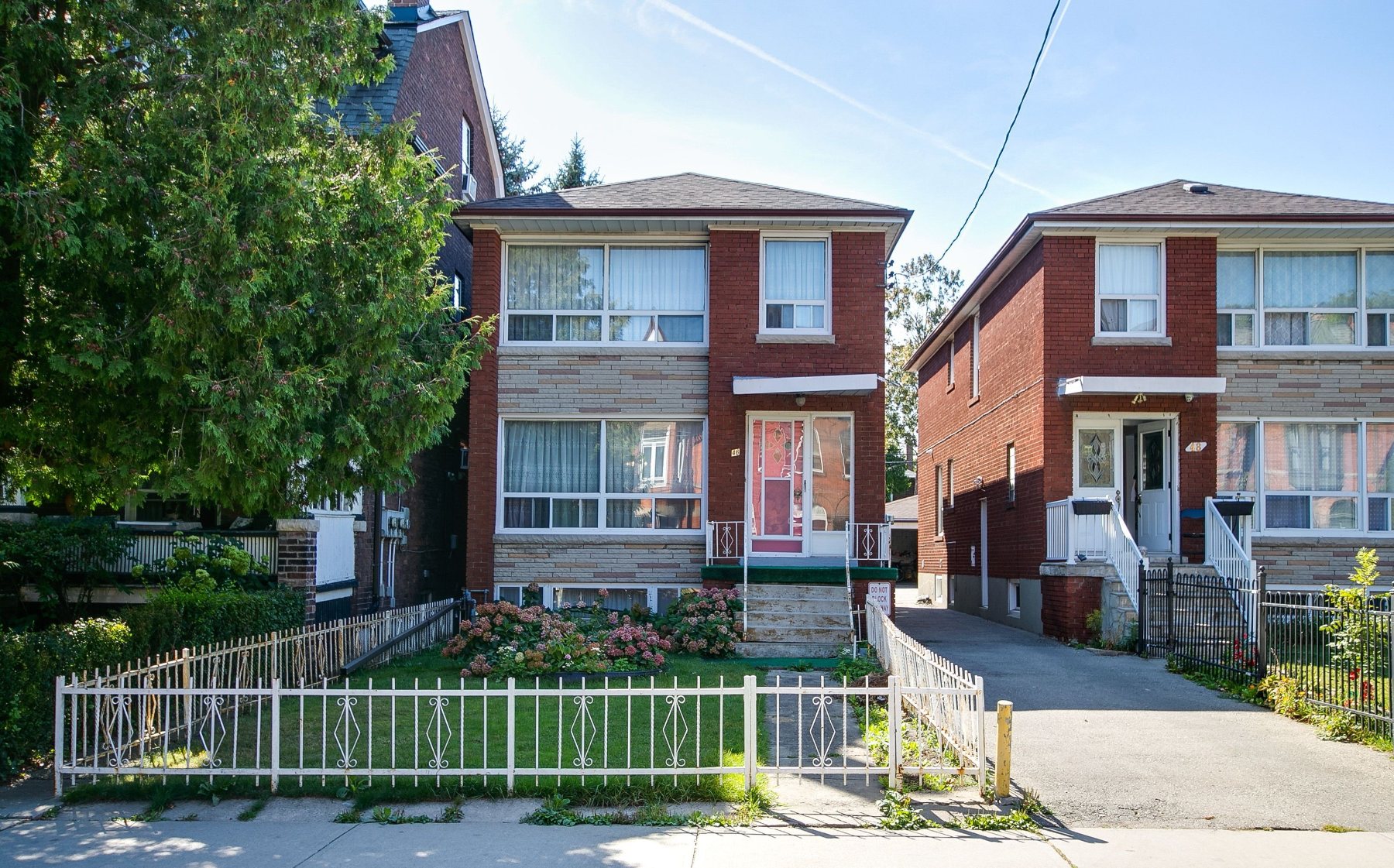
We'd love to hear from you.
Get in touchThe homes Toronto has been missing.
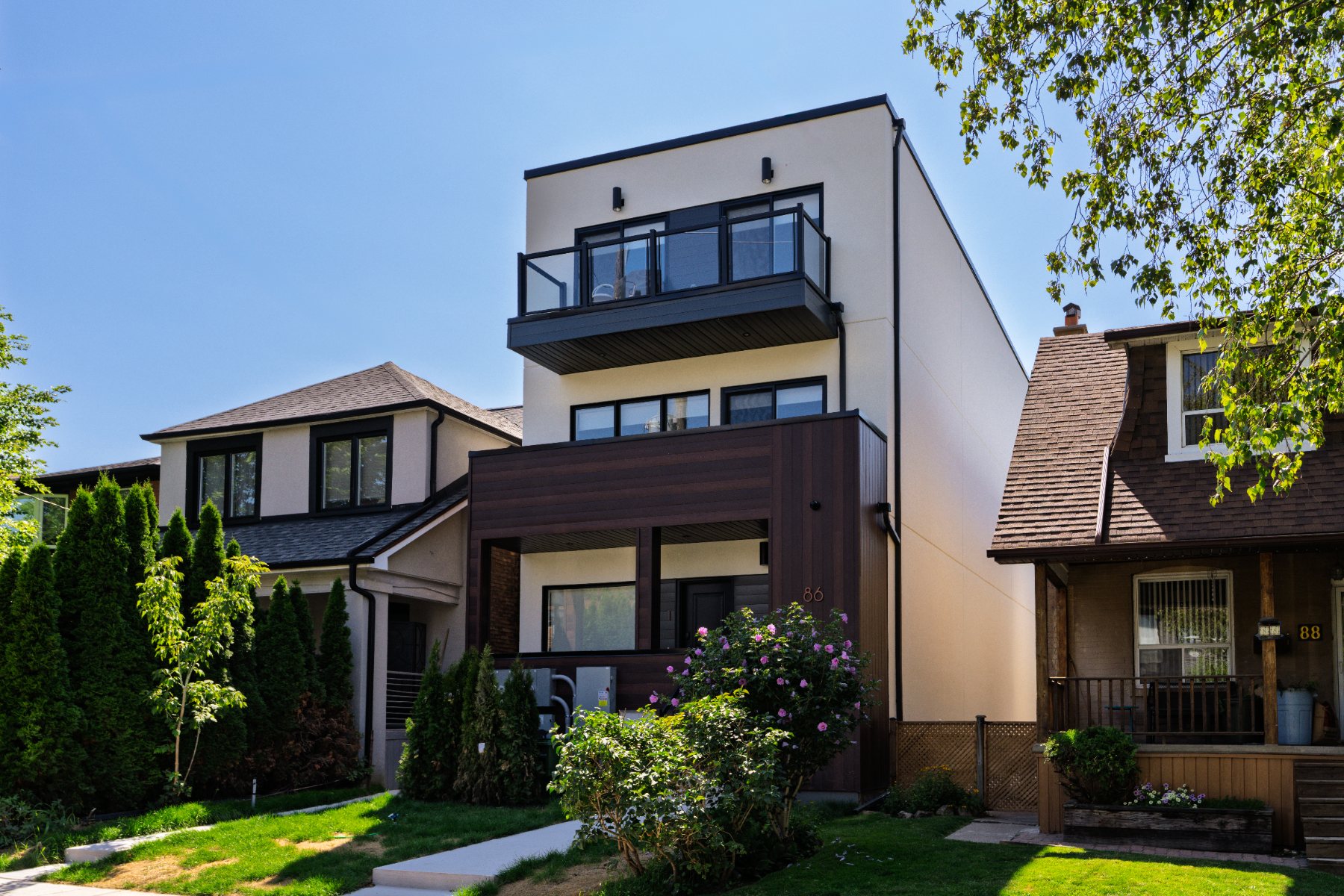
Smaller buildings, bigger homes,better neighbourhoods.
Plex Properties develops small, purpose-built rental buildings: four to six family-sized homes, three or four storeys, on established Toronto streets close to transit, schools, and parks. It is housing reminiscent of Europe's great neighbourhoods and the oldest parts of this city: dense enough to keep a corner shop open and a school full, small enough to belong on the street.
We find the land, lead the design, secure the approvals, oversee construction, arrange the financing, and hold the completed buildings with our partners. One team answers for the building from first drawing to tenth year of ownership, so quality is a condition of the business, not a promise made at a sales centre.
Each building adds a few families to a street with room for them. Together they restore the neighbourhoods Toronto once made easily, and we intend to make them again, at scale.
Three commitments on every project.
Discipline before ambition
Every project is tested against real-time costs and conservative assumptions before we commit our partners' capital or our own. We would rather pass on ten opportunities than force one.
Quality that compounds
Buildings held for decades reward good decisions and punish shortcuts. We choose materials, systems, and trades accordingly, because we are the ones who will answer for them.
Location is the amenity
Our buildings don't have gyms and lounges. We choose streets with schools, parks, and transit already on them, and let the neighbourhood do what no amenity floor can.

Ziad Nassar
Founder & Principal
Ziad founded Plex Properties and leads each project from the purchase of the land through to long-term ownership.
Before founding the firm, he spent over four years at Greybrook Realty Partners, one of Canada's leading real estate private equity firms, where he worked on the underwriting, structuring, and project management of several billion dollars of residential development. He began his career in acquisitions and development at Kaneff Properties, a private real estate developer.
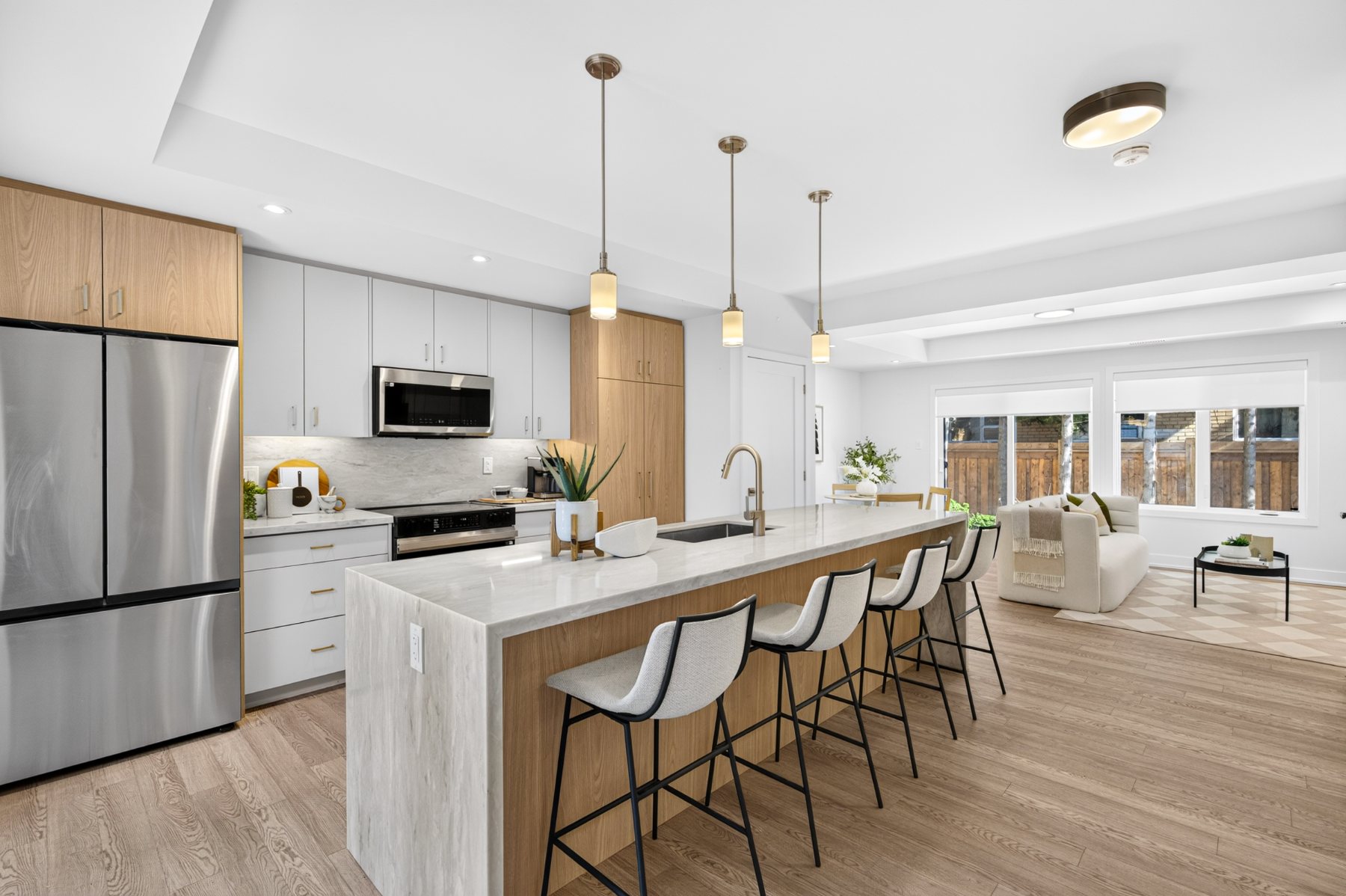
The missing middle: the homes between the house and the tower.
For most of the last century, zoning rules across the majority of Toronto allowed two kinds of housing: the detached house and, in a few designated areas, the high-rise tower. Nearly everything in between was prohibited. This is the missing middle.
This hasn't always been the case. The walk-up apartment buildings of Parkdale, the Annex, and Riverdale, many of them a century old, show what these streets once held. In 1912 the city barred apartment buildings from most of its residential streets, and the rules that followed only grew stricter. The buildings that survived that era are among the most sought-after addresses in the city.
Scroll sideways to see the full range. Select a building type to read about it.
Detached and semi-detached
One home on one lot. For most of a century, this was the only form allowed across the majority of Toronto's residential land.
Duplex and triplex
Two or three homes within the shape of a house. Familiar on the city's older streets, and for a long time very difficult to build new.
Multiplex
Four to six homes in a building of three or four storeys on an ordinary residential lot, often with a smaller second building at the rear. Large enough for families, modest enough to suit the street. This is what we do.
Mid-rise
Dozens of homes or more along main streets, usually with shops at the base.
Tower
Hundreds of homes, most of them small condominium units, concentrated in a few parts of the city.
The rules changed. The need did not.
In the last few years the city and the province rewrote the rules, and small apartment buildings are once again allowed on residential streets across Toronto. Buildings of this size can now be approved in months rather than years, and they are exempt from many of the municipal charges that weigh on larger projects.
Fifty years of restrictive rules left a gap in the market. Most new rental housing still arrives as small units in towers. Family-sized homes in established neighbourhoods remain scarce yet highly desired. That's the gap we're closing.
Why this scale?
Speed
A small building can go from purchase to occupancy in a fraction of the time a large project requires. Less time means less exposure to changing conditions.
Efficiency
Small buildings avoid much of what makes towers expensive: deep excavation, underground parking, and years of interest before anyone moves in. Each square foot costs less to deliver.
Durability
A family that finds three bedrooms and a yard on a street with a school tends to put down roots. They join the neighbourhood rather than pass through it, and they stay for years. Long-term residents treat their home as their own: less turnover, better care, fewer headaches, and a stronger sense of community. Better for the building, and better for everyone on the street.
See what we're up to.
View the portfolioSmall buildings across the city.
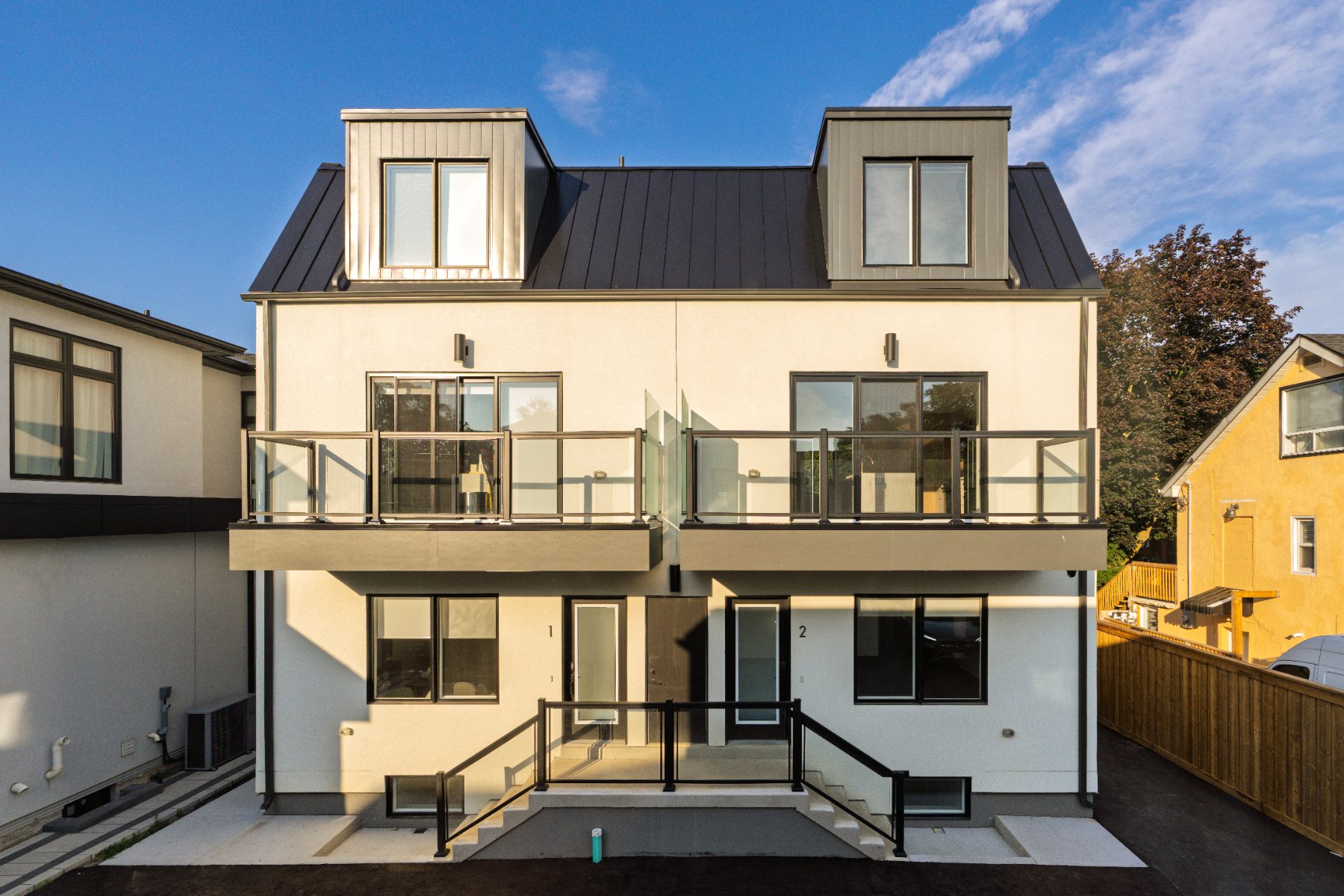
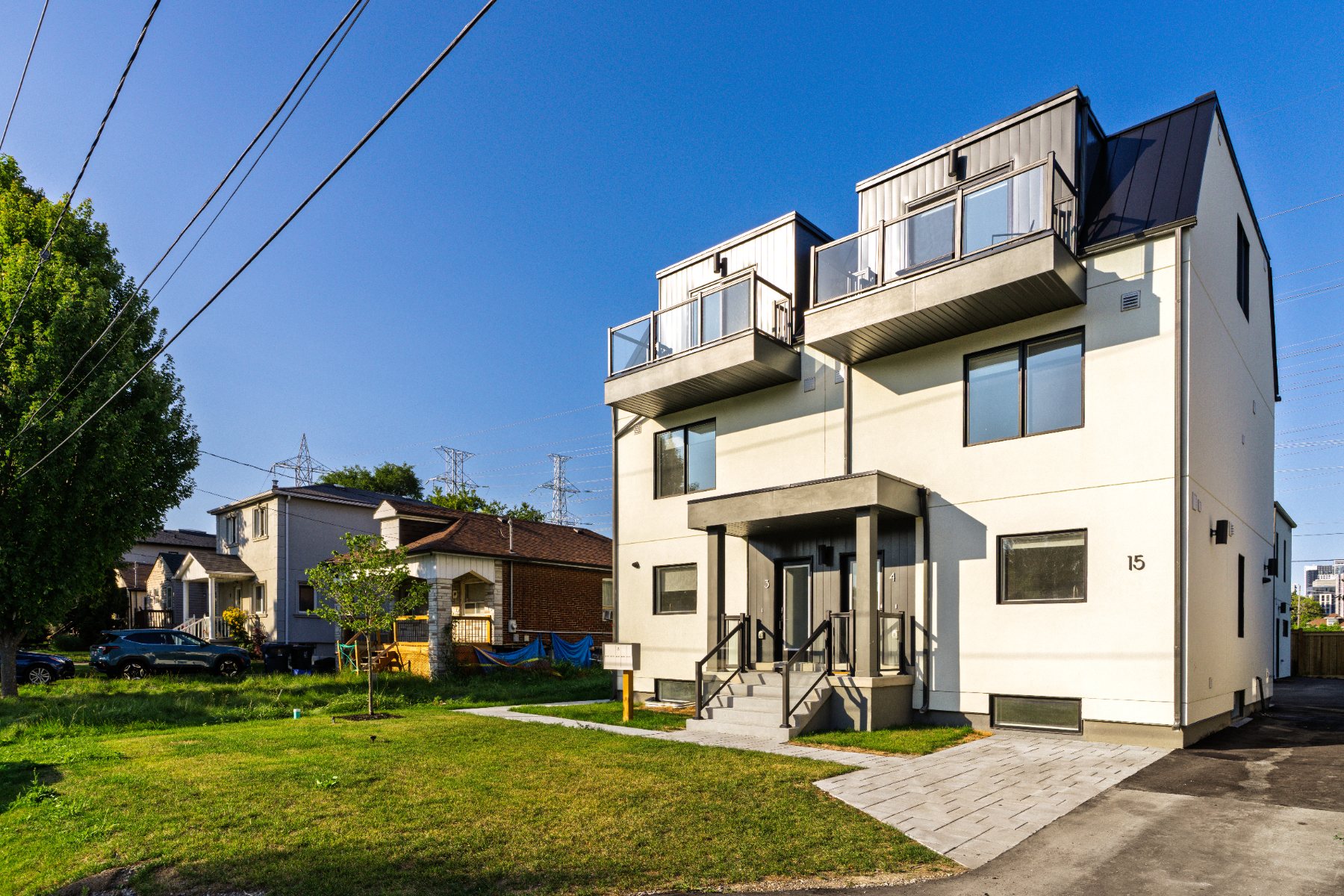
Completed
4 projects
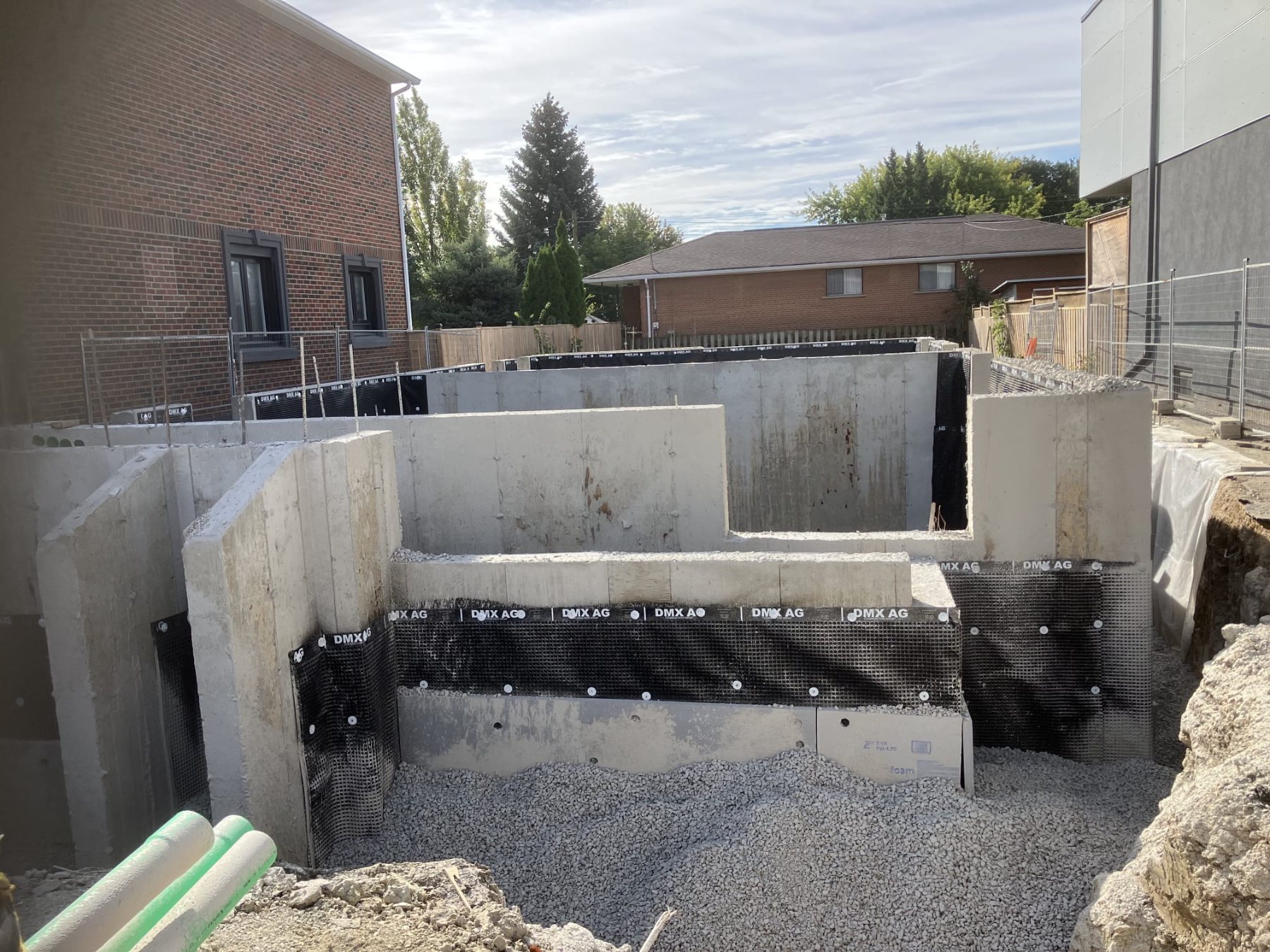
Under construction
3 projects
In planning
1 project
Have a property in mind?
Get in touchUnder construction
STANLEY
- Neighbourhood
- Mimico
- Homes
- 5
- Storeys
- 3
- Bedrooms
- 3
- Status
- Under construction
- Expected
- 2027
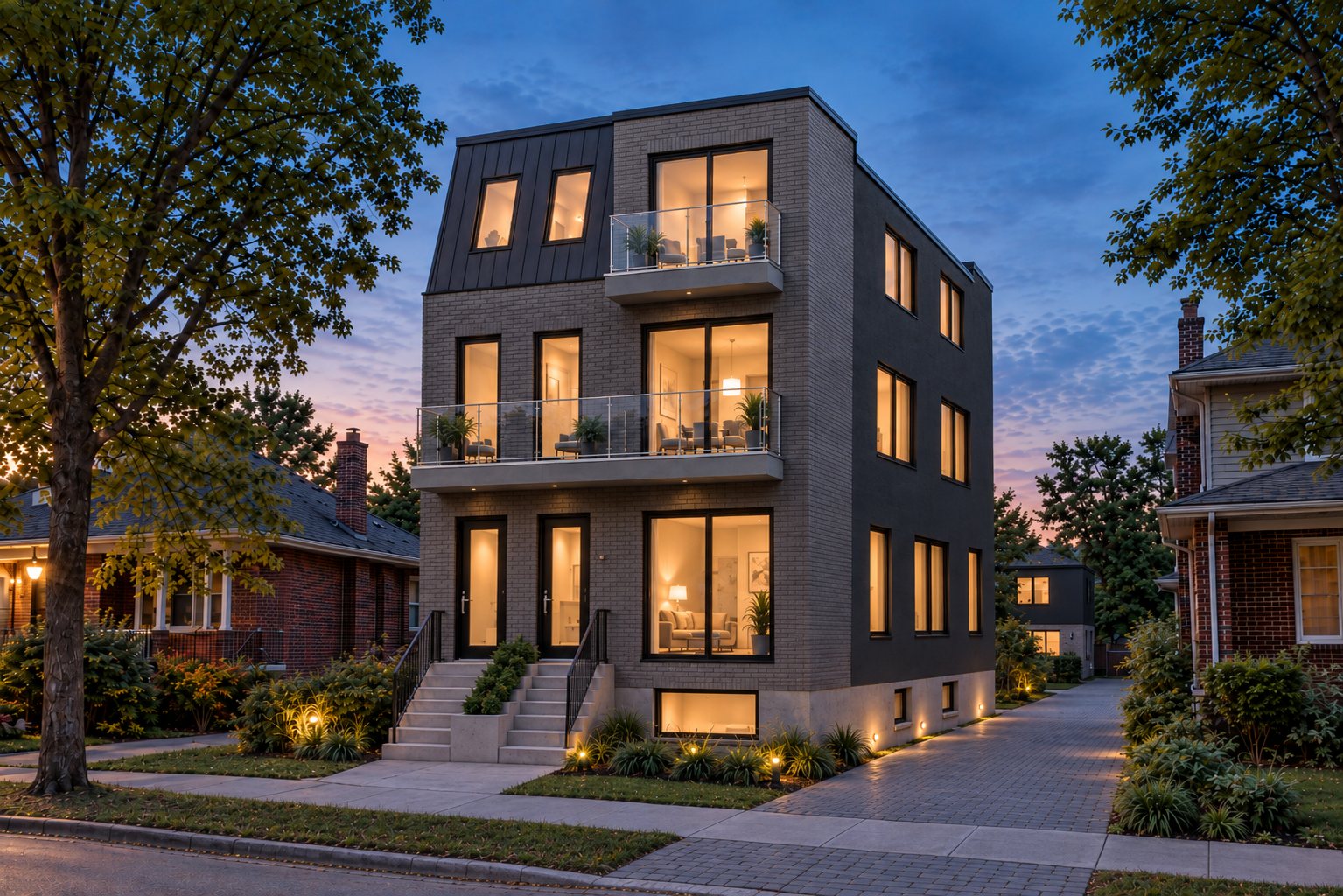
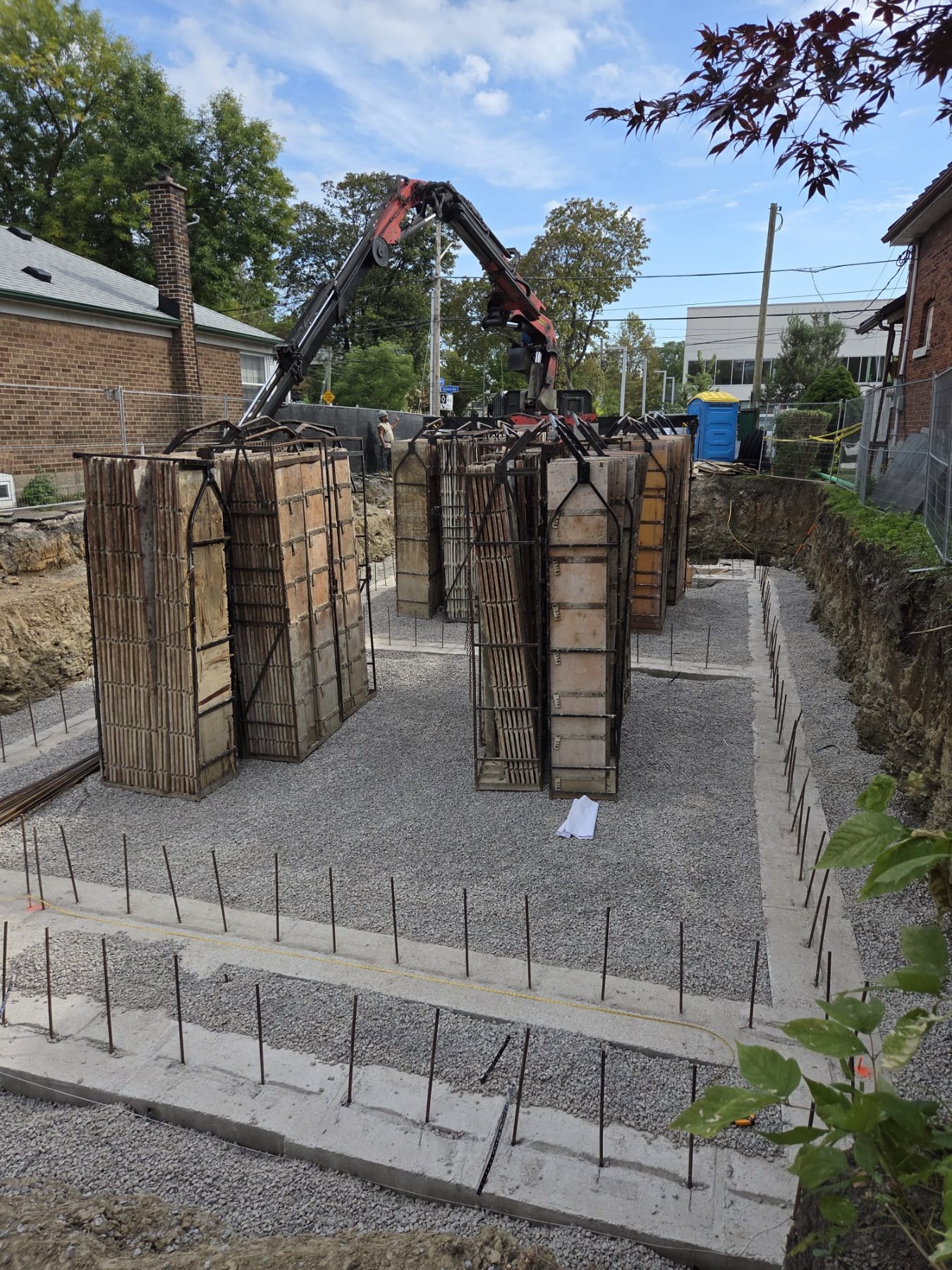
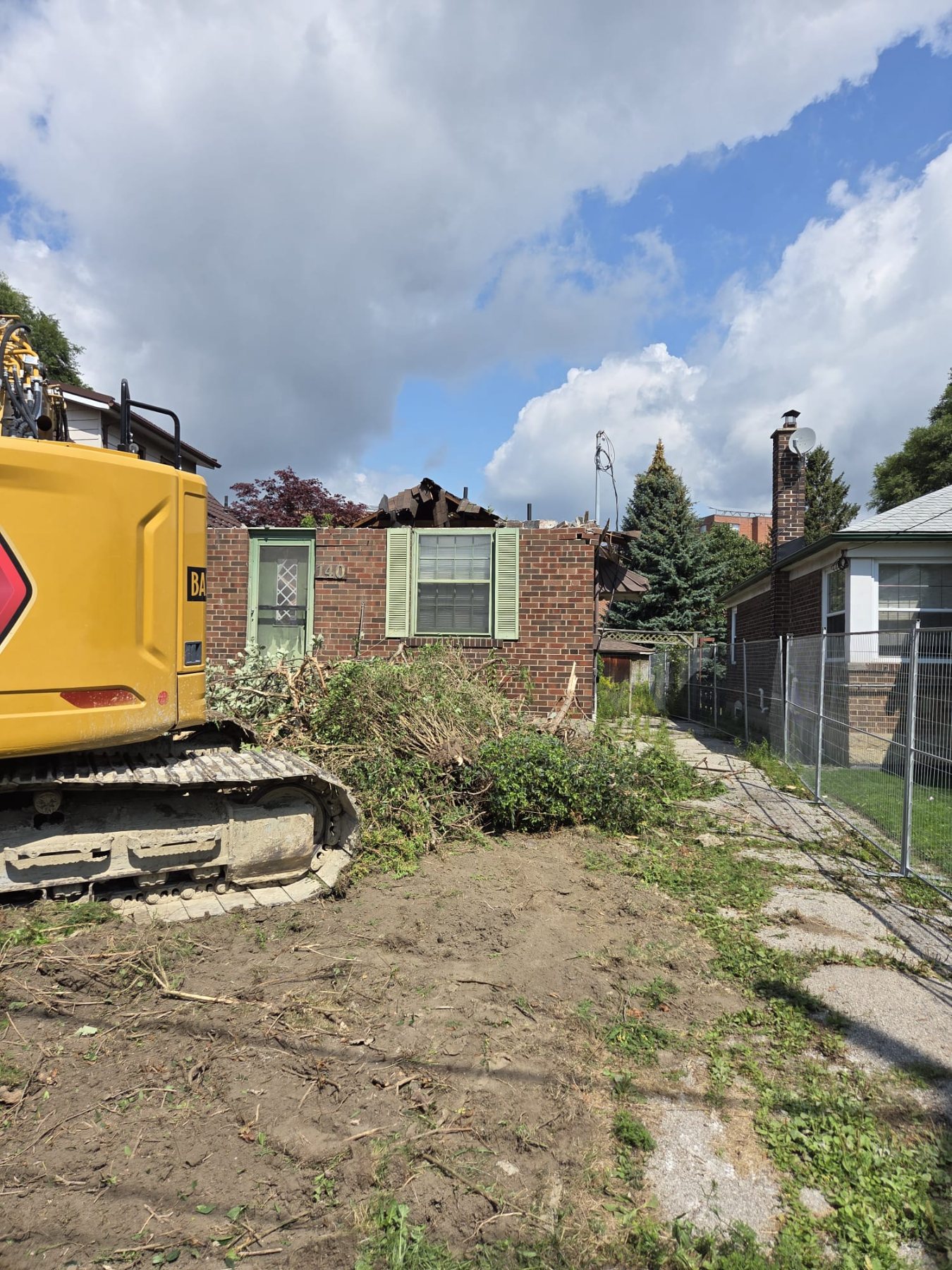
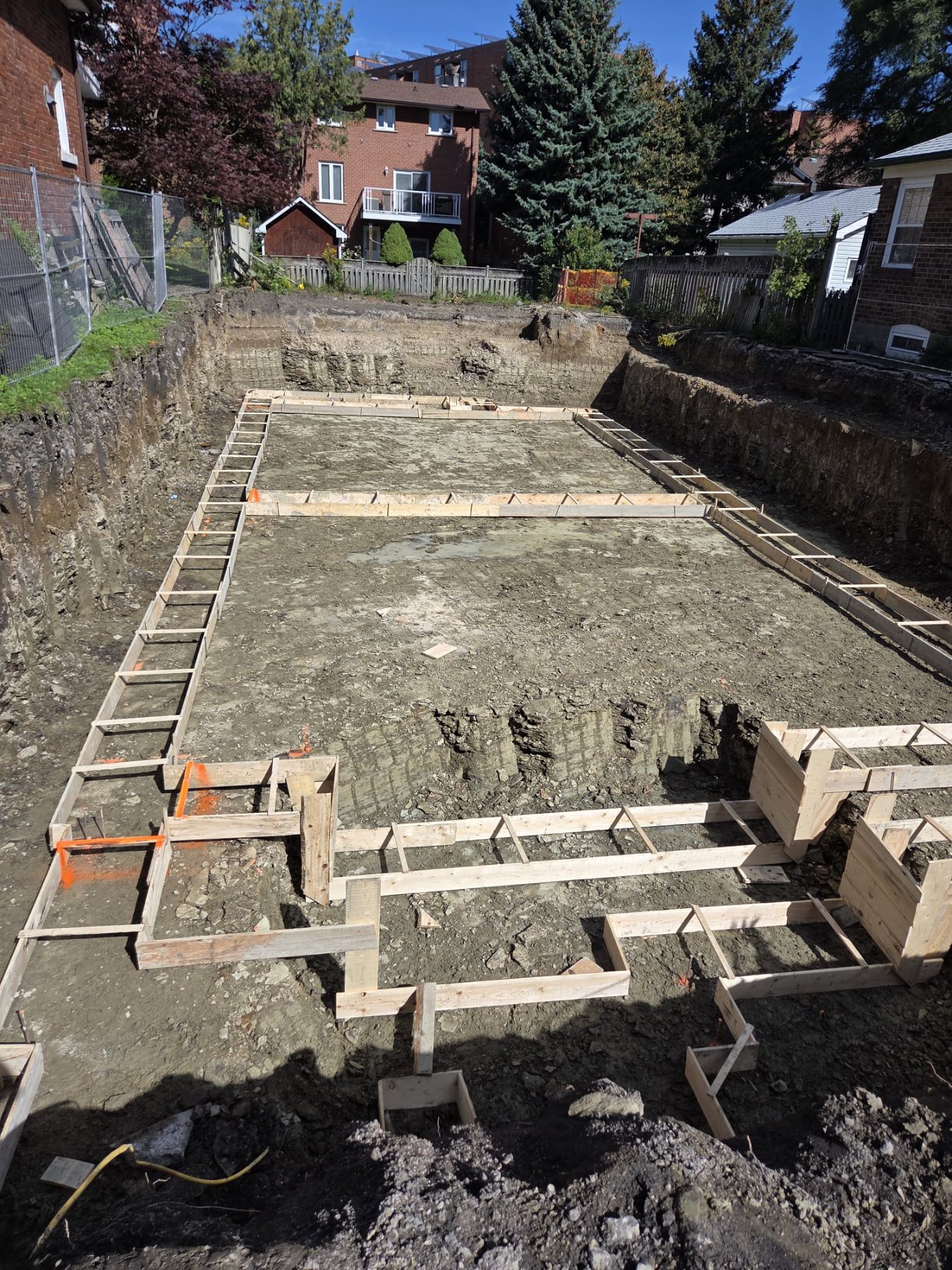
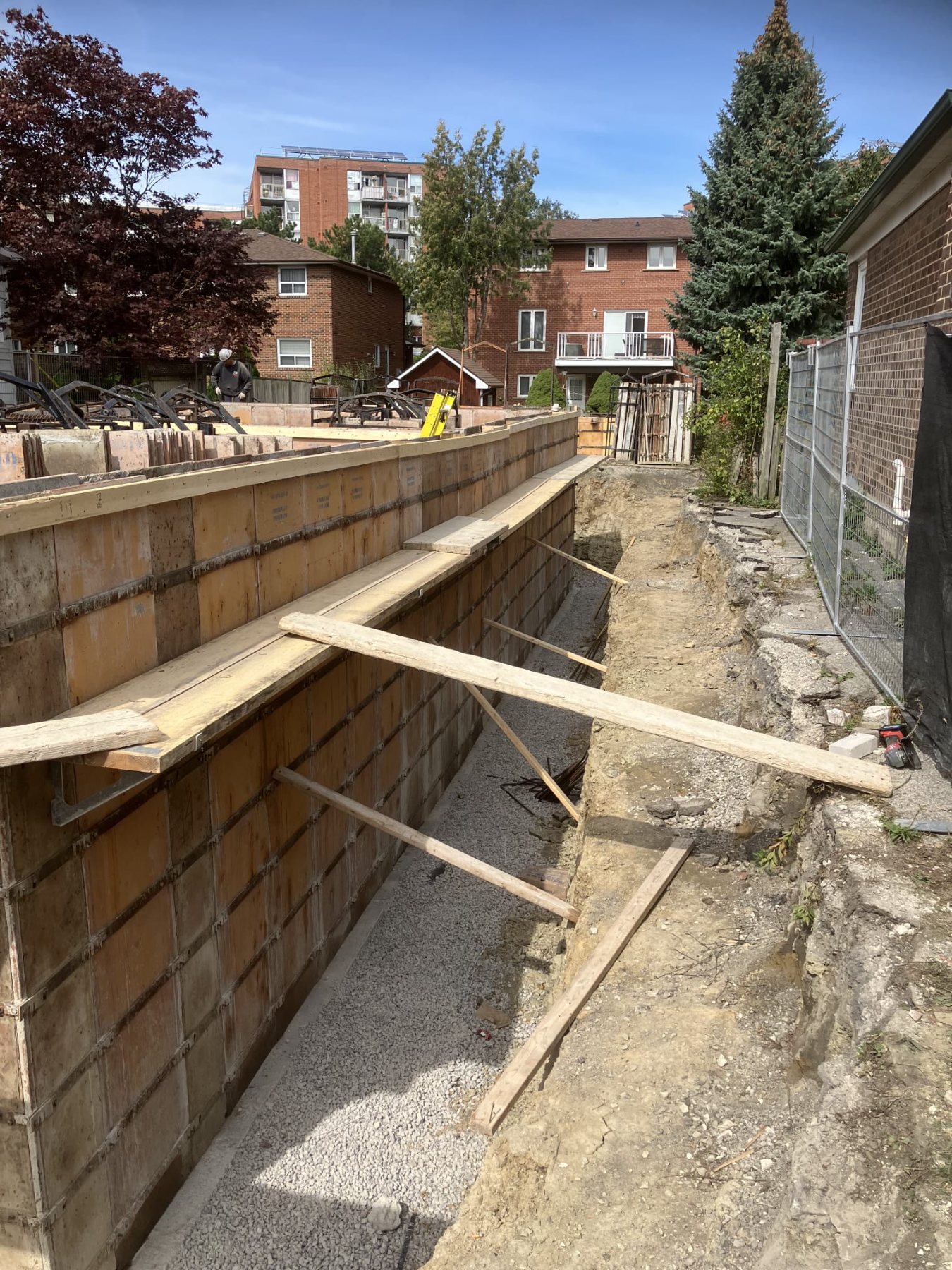
Stanley Avenue is a quiet street a few minutes' walk from Mimico GO. A post-war bungalow is being replaced with five three-bedroom rental homes in a three-storey building of about 6,600 square feet, with occupancy expected in 2027.
Every home has two or more bathrooms and in-suite laundry, with private terraces upstairs. Amos Waites Park and the waterfront trail are a short walk south.
Get in touch.
Whether you have a property, a question, or simply want to learn more about what we do, we'd love to hear from you.